Dallas, TX
Wood Fences in Dallas, TX
Wood is the most common residential fencing choice across Dallas, and small decisions — species, post material, board layout, height, and finish — make a large difference in how the fence looks in year five. Call to talk options through with a Dallas-area fence professional.
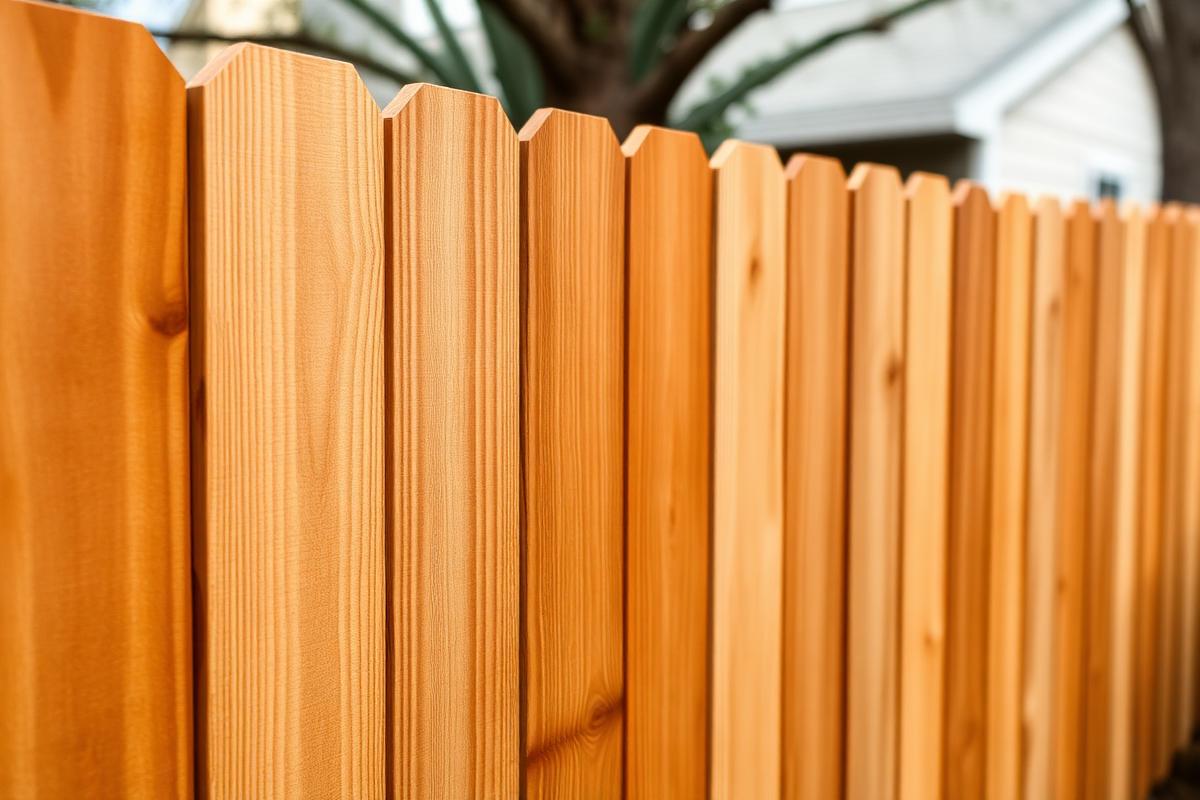
Wood fencing in Dallas
A wood fence is really three systems: the posts that carry the load, the rails that span between them, and the pickets you see. Most of a fence's working life is decided by the first two, even though homeowners shop the third. Pickets can be installed side by side for the most economical look, board-on-board so overlapping boards eliminate gaps, or with a cap and trim top for a more finished, architectural appearance.
Posts are where the choices matter most locally. Treated wood posts and galvanized steel posts are both used; steel posts add cost but resist the rot that starts at ground level, which is the most common failure point on a wood fence in this area.
Cedar fencing
Cedar is favored locally for its natural oils, which give it better resistance to rot and insects than untreated pine, and for its color and grain. Left alone it weathers to a soft gray; stained, it holds a warmer tone. Cedar pickets are frequently paired with treated or galvanized steel posts, since posts at ground level face the harshest conditions.
Pressure-treated pine is the usual alternative. It costs less, is treated to resist decay, and performs reasonably when it is maintained — though it is more prone to warping and twisting as it dries, and many homeowners find the appearance less appealing without a finish. Grade within either species also matters: fewer knots and straighter stock cost more and stay flatter.
Privacy fences
When screening is the goal, two things decide whether the fence actually works: height and board spacing. Height determines what a neighbor sees from a second story or an elevated yard, and local rules plus any association restrictions set the ceiling — confirm both for your address before settling on a design.
Spacing is where fences quietly fail. Wood shrinks as it dries, so a side-by-side fence that looks tight on installation day can open small gaps within a season. Grade also matters: a fence built along a slope either steps down in panels, which leaves triangular gaps at grade, or is racked to follow the ground. And a taller privacy fence acts like a sail, so the wind load lands on posts and footings — the reason post depth and material deserve more attention than picket detail on a tall fence.
Board-on-board fencing
Board-on-board sets pickets in two overlapping layers so each board covers the edge of the next. There are no gaps to open up as boards shrink, and the layered face reads as more substantial from both sides. It uses noticeably more lumber than a side-by-side layout, which is the main reason it costs more, and the additional material adds weight and wind surface — another point in favor of solid posts.
Horizontal wood fences
Horizontal layouts have become popular on modern and mid-century homes. Boards run parallel to the ground and attach directly to the posts, so post spacing is usually tighter than on a vertical fence and board thickness, grade, and fastening pattern all matter more — long unsupported spans are what lead to sagging or bowing boards. Horizontal fences also need careful planning where the ground slopes, since the boards will not follow grade the way pickets can.
Wood fence maintenance
- Keep sprinklers from spraying directly onto pickets and post bases
- Trim vines and shrubs that trap moisture against the wood
- Clean and re-apply a stain or sealer as the product you used directs
- Re-fasten loose boards and rails before they warp further
- Check gate hinges and latches seasonally; they move the most
- Keep soil and mulch from building up against the bottom of the fence
Finish care is the single maintenance item with the most visible payoff — our fence staining page covers preparation, timing, and the difference between stain and sealer.
North Texas heat and weather considerations
Three local conditions drive wood fence wear. Intense summer sun dries and fades exposed faces, especially those facing south and west. Spring storm winds load tall panels and transfer that force to posts. And clay soils that expand when wet and contract when dry can gradually push posts out of plumb. Good drainage along the fence line, proper post depth, and rot-resistant post material do more for lifespan than picket choice alone.
Repair vs. replacement
Isolated damage — a handful of cracked pickets, one loose rail, a single leaning post — is usually a straightforward repair. Widespread post failure, rot at the base of multiple posts, or boards warped along most of the run point toward rebuilding the line. Our fence repair page works through that decision in detail, including when replacing a run is the better value.
Wood fence cost factors
Species and picket grade, fence height, board layout (side-by-side, board-on-board, or horizontal), post material, rail count, gate size and hardware, removal of an old fence, and site access all move the number. Our Dallas fence cost guide explains how these factors interact so you can read an estimate with confidence.
Related fence pages
Frequently Asked Questions
- Is cedar worth the extra cost over pine?
- Cedar contains natural oils that make it more resistant to rot and insects than untreated pine, and many homeowners prefer its color and grain. Pressure-treated pine can perform well at a lower material cost. The decision usually comes down to budget, the look you want, and how much maintenance you plan to do.
- What is board-on-board fencing?
- Board-on-board overlaps each picket with the next so there are no gaps as the wood shrinks. It uses more material than a side-by-side layout, so it costs more, but it holds privacy better over time.
- How tall can a privacy fence be?
- Height limits are set locally and can also be restricted by a neighborhood association, so they need to be confirmed for your specific address rather than assumed. Six and eight feet are the heights most often discussed for residential privacy in the area; taller panels catch more wind, which raises the demands on posts and framing.
- Are horizontal wood fences different to build?
- Yes. Boards running horizontally span between posts rather than being backed by rails at close intervals, so post spacing is typically tighter and board thickness and grade matter more. The look is popular on modern homes, and the construction detail is what keeps boards from sagging or bowing.
- Can a few damaged boards be replaced instead of the whole fence?
- Yes, when posts and rails are still solid. Replacement boards may not match the color of weathered wood until they age or are stained. If several posts are failing, spot repairs tend to be a short-term fix.
Planning a Wood Fence in Dallas?
Call to talk through species, height, board layout, and posts with a Dallas-area fence professional.
(469) 620-7255Serving homeowners throughout Dallas and surrounding Dallas-area communities.