Dallas, TX
Fence Repair in Dallas, TX
Leaning sections, a post that gave way, boards missing after a storm, or a gate that no longer closes — most fence problems get worse and more expensive the longer they sit. Call to describe what's happening and connect with a Dallas-area fence professional.
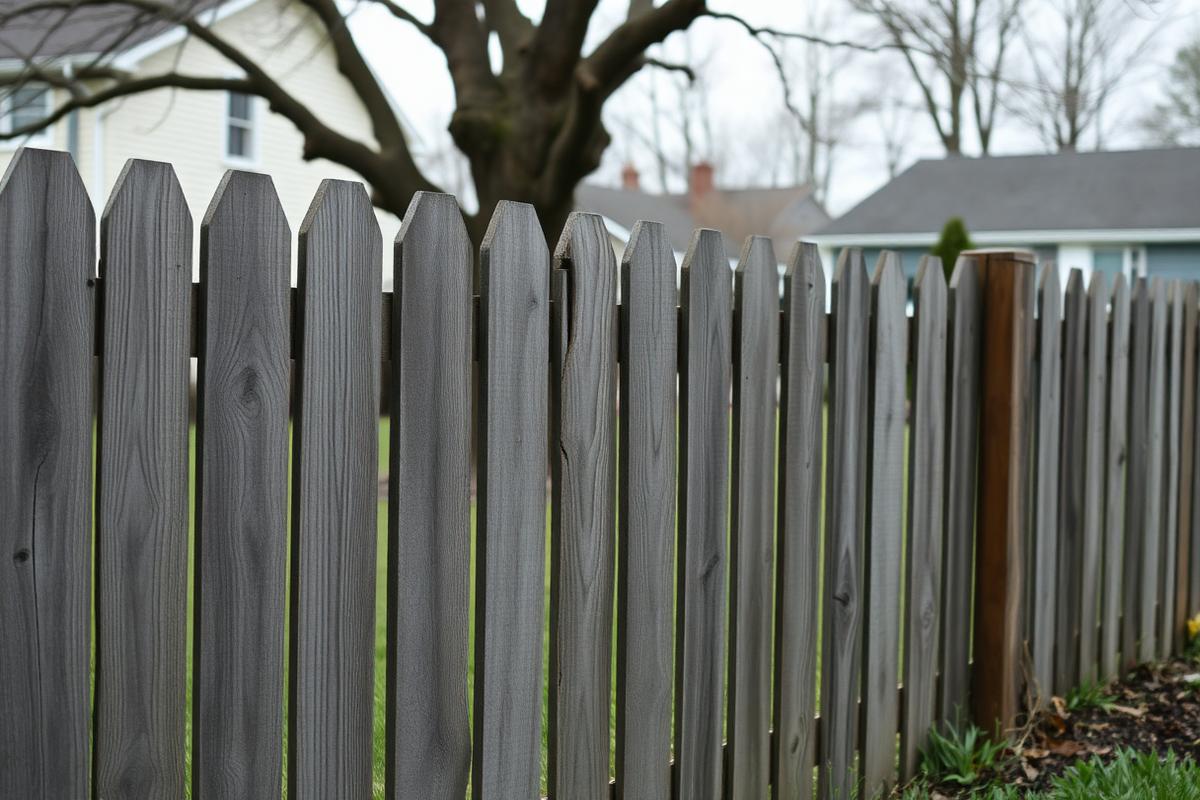
Common reasons homeowners call about fence repair
- Leaning fence sections. A run that tilts noticeably, often after heavy rain followed by dry weeks.
- Damaged or rotted posts. Soft wood at the base, a post snapped at ground level, or a footing that has worked loose.
- Broken, missing, or warped boards. Cracked pickets, boards pulling away from rails, and cupping from sun exposure.
- Sagging sections. Rails bowing between posts, usually a sign the span or the fastening needs attention.
- Gate problems. Dragging on the ground, refusing to latch, sagging corners, or stripped hinge screws.
- Storm and wind damage. Panels blown down, sections pushed over, or a fallen limb taking out a run.
- General deterioration. Gray, splintering wood, rusted fasteners, and rails that have lost their bite.
Leaning fences and failed posts
A leaning fence is a post problem in nearly every case. Wood posts rot from the outside in right at grade, where moisture and oxygen meet, so a post can look sound above ground and be gone at the footing. Shallow footings and posts set without adequate depth for the fence height give way sooner, and soil that swells and shrinks through wet and dry cycles works at every footing along the line. Resetting or replacing the affected posts, and correcting whatever kept that spot wet, is what makes the repair last.
Broken boards and sagging sections
Individual pickets are the easiest thing on a fence to replace, though new boards will not match weathered wood until they age or are stained. Sagging is different: when rails bow between posts, the span, the rail size, or the fastening is being asked to do too much, sometimes because a post has moved and pulled the run out of line. Fixing the sag without checking the posts on either side is how the same section ends up failing twice.
Storm and wind damage
Spring storms in North Texas deliver strong straight-line winds, and a tall privacy fence behaves like a sail. Panels blow out, posts snap, and a fence that survived the storm can still be left with posts loosened in their footings. If the fence contains a pool, a dog, or a young child, temporary security is worth arranging quickly. It is also worth photographing damage before repairs if you plan to discuss it with your insurer.
Damaged gates
Gates take more abuse than any other part of a fence because they are the only part that moves. Sagging frames, worn hinges, latches that no longer line up, and hinge posts that have shifted are the usual complaints, and most are alignment issues rather than broken parts. For driveway gates and anything automated, see gate repair in Dallas.
When repair makes sense
- The posts along the run are still sound
- Damage is contained to one or two sections
- The fence is relatively young and the material still looks acceptable
- The cause is identifiable and can be corrected — drainage, a sprinkler, an impact
- The rest of the line has years of service left
When replacement may make more sense
- Multiple posts are rotted, leaning, or loose in their footings
- Boards are widely warped, split, or gray along most of the run
- The same section has been repaired more than once
- Patching would approach the cost of rebuilding that stretch
- You want a different height, style, or material than the fence you have
Fence repair vs. fence replacement
There is no universal rule, but there is a useful question to ask on site: how many more years should this fence give after the repair? If the answer is five or more, repairing is almost always the better value. If it is one or two and a large share of the fence line is involved, rebuilding that run costs less over time than repeated visits.
Two other factors weigh in. First, scope: replacing a fence is usually priced by the linear foot, so once repairs touch a substantial percentage of the line the two numbers converge quickly. Second, what you actually want. Replacement is the moment to change height, switch to board-on-board for better privacy, upgrade to steel posts, or add a wider gate — none of which a repair delivers. A fence professional walking the line can tell you which posts are sound and which are borrowing time, and that is the information the decision turns on.
What a repair visit typically involves
Expect the fence line to be walked end to end, not just at the visible damage. Posts get checked for movement and rot at grade, rails and fasteners are inspected, gate hardware and alignment are tested, and drainage or sprinkler issues that contributed to the failure are noted. From there you should get a clear picture of what is being fixed and what is likely to need attention next.
Why fences fail in North Texas
Clay-heavy soils that expand and contract with moisture put constant pressure on footings. Summer heat and direct sun dry out and shrink wood. Spring storms deliver strong wind loads that concentrate on tall privacy panels. And sprinkler spray hitting post bases keeps wood wet right where it matters most. Repairs last longer when the underlying cause gets addressed rather than just the symptom — and a maintained finish slows the surface damage, which is covered on our fence staining page.
Factors that affect repair cost
- How many posts are involved, and whether old footings must be dug out
- How many sections are affected and how long the run is
- Matching material, height, and picket profile to the existing fence
- Gate work and replacement hardware
- Access along the fence line for tools, materials, and debris
- Haul-away and disposal of damaged material
- Whether the underlying cause — drainage, grading, sprinklers — is also addressed
See our Dallas fence cost guide for how repair and rebuild work is typically itemized, and wood fences for the material and post choices that reduce how often repairs come up.
Related fence pages
Frequently Asked Questions
- Why is my fence leaning?
- Leaning almost always traces back to the posts. Rot at ground level, a footing that is too shallow, soil that has shifted with moisture changes, or wind load on a tall panel can all let a post tilt. Straightening pickets without addressing the post usually buys only a short reprieve.
- Can a single fence post be replaced?
- Yes. Individual posts are commonly replaced by removing nearby pickets, extracting the old post and footing, and setting a new one. Whether that is worthwhile depends on how many posts along the run are in similar condition.
- How quickly should storm damage be repaired?
- Sooner is better if the fence contains pets or a pool, or if leaning sections could fall. Damaged panels also put extra stress on adjacent posts. After widespread storms, contractors across the area book up quickly.
- Is it cheaper to repair a fence or replace it?
- Repair is almost always cheaper today. Replacement is often cheaper over several years when the same run keeps failing. The honest test is how many more years the fence should give after the repair — if the answer is one or two and a large share of the line is involved, rebuilding usually wins.
- Why won't my gate latch anymore?
- Usually because the gate or the post holding it has moved. Sagging gate frames, loosened hinge screws, and posts that shifted with the soil all change the alignment. Bracing the frame, resetting the post, or adjusting hinges and latch position are the typical fixes.
Need Fence Repair in Dallas?
Describe the damage over the phone and get connected with a Dallas-area fence professional who can take a look.
(469) 620-7255Serving homeowners throughout Dallas and surrounding Dallas-area communities.