Dallas, TX
Iron and Ornamental Metal Fences in Dallas, TX
Ornamental metal fencing keeps views open, defines a property line cleanly, and asks very little in maintenance. It also comes in several materials that look alike and behave differently. Call to discuss which fits your property with a Dallas-area fence professional.
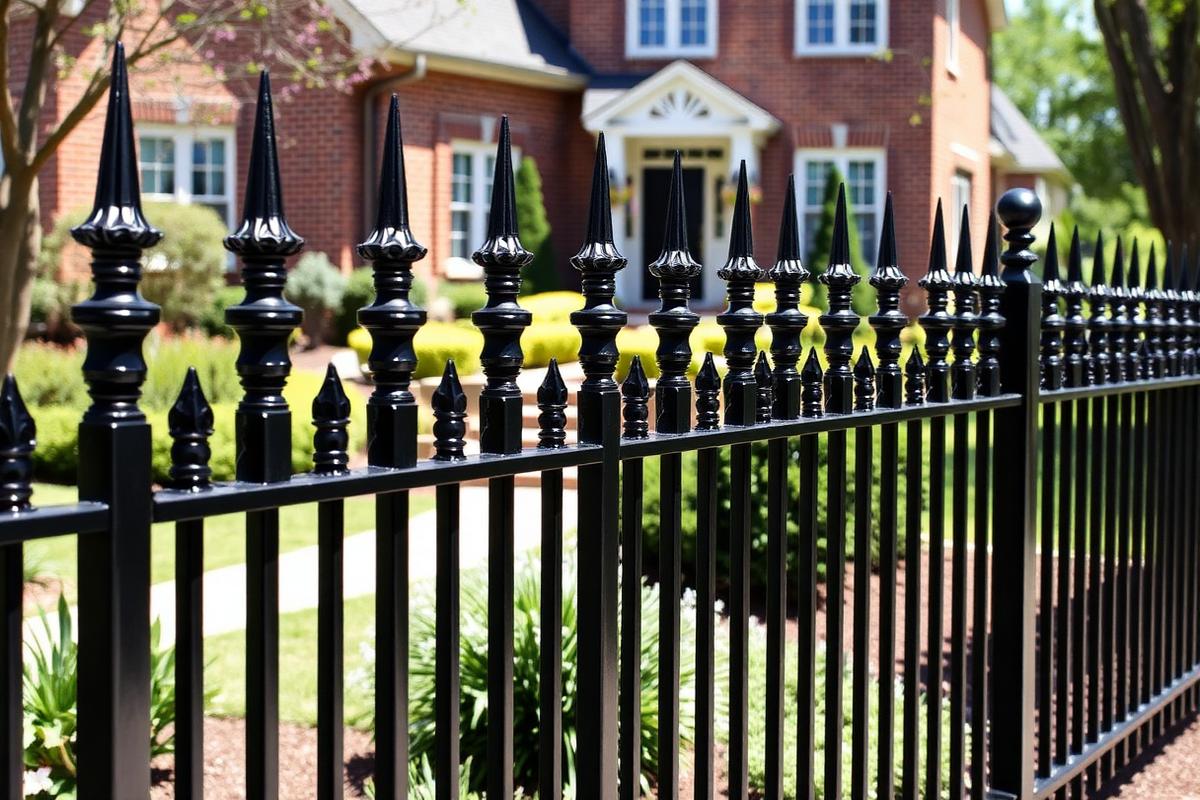
Wrought iron, welded steel, and aluminum: the difference
It is worth being precise here, because the terms get used interchangeably. Wrought iron is forged and worked by hand; genuine wrought iron fencing is uncommon in new residential construction today, and what survives is usually older custom work that is repaired rather than replaced. Welded steel panels are the workhorse of the ornamental category — strong, powder-coated, and generally what people mean when they say iron fence. Aluminum panels mimic the same profiles, weigh far less, and will not rust. Any of the three can look right for a home; they simply are not the same product, and it is worth asking a bidder which one they are quoting.
Appearance and curb appeal
Because metal fencing is visually light, it works well in front yards where a solid fence would feel closed off, and along a view side where a greenbelt, creek, or open space is worth keeping. Panel style, picket spacing, height, finish color, rail count, and top treatment — flat, spear, or looped — let the fence echo the home's architecture. Many Dallas homeowners run ornamental metal across the front and switch to wood fencing where privacy matters.
Security considerations
Metal picket fencing marks a boundary and discourages casual entry while leaving the yard visible — which some homeowners want and others do not. Height, picket spacing, and top style all affect how the fence performs for children and pets, and gate hardware is usually the weakest link in any enclosure. Where a fence is meant to contain a pet, spacing and clearance at the bottom deserve as much attention as height.
Pool fencing considerations
Ornamental metal is a common pool enclosure choice because it encloses the water without hiding it. Pool barriers are also the most regulated fencing on a residential property: requirements typically address barrier height, picket spacing, gaps beneath the fence, what can be climbed nearby, and self-closing and self-latching gate hardware. Those requirements are set locally and are revised over time, so we do not restate specific figures here. Confirm what currently applies at your address with your local authority, and have your installer build to it.
Maintenance
- Rinse off dust and sprinkler mineral deposits periodically
- Touch up scratches and chips in the coating so steel does not corrode at the break
- Seal cut ends when panels are modified on site
- Keep mulch and soil from covering the base of posts and pickets
- Lubricate and check gate hinges and latches, which see the most wear
Gates and driveway openings
Ornamental metal is the natural material for gates because it can span a wide opening without the weight of a solid panel. Post size, footing depth, frame construction, and hinge selection all scale with gate width, and a walk gate and a drive gate on the same fence are built quite differently. See driveway gates in Dallas for design and layout, or automatic gates if you plan to automate the opening. For a gate that already exists and no longer works properly, gate repair covers the usual causes.
Residential uses
- Front yard enclosures where openness matters
- Pool surrounds
- Courtyard walls with metal infill panels
- Driveway and pedestrian entry gates
- View sides backing onto a greenbelt, creek, or open space
- Mixed runs paired with wood for privacy at the back and sides
Iron fence cost factors
Material (steel, aluminum, or true custom ironwork), panel style and picket profile, height, total footage, post spacing and footing depth, number and width of gate openings, terrain, masonry work, finish, and whether an old fence has to be removed all shape the estimate. Custom fabrication sits well above stock panel pricing. See our fence cost guide for the full list of factors, then call to talk through your property.
Related fence pages
Frequently Asked Questions
- Is an 'iron' fence actually wrought iron?
- Usually not. True wrought iron is forged and is rare in modern residential work. Most fences sold as iron-style are welded steel or aluminum picket panels with a powder-coated finish. They can look similar from the street but differ in weight, strength, repair method, and price.
- Steel or aluminum — which should I choose?
- Steel is stronger and better suited where impact resistance matters. Aluminum will not rust, is lighter, and is often chosen for pool enclosures and long decorative runs. Both depend heavily on finish quality for how they age outdoors.
- Does metal fencing rust in Dallas?
- Aluminum does not rust. Steel can corrode where the coating is broken by impact, scraping, or drilling, and cut ends left unsealed are a common starting point. Touching up scratches promptly is the main preventive step.
- Can iron-style fencing be used around a pool?
- It is a common choice, because it encloses the area without blocking the view of the water. Pool barriers are subject to specific requirements for height, picket spacing, gaps, and self-closing, self-latching gate hardware, and those requirements are set locally and change over time. Verify what currently applies at your address with the local authority and your installer rather than relying on a general description.
- Can iron-style fencing be combined with wood?
- Yes, and it is a common approach: metal along the front yard or a view side for openness, wood along the back and sides for privacy. Coordinating heights and post placement where the two meet keeps the transition clean.
Considering Iron or Metal Fencing in Dallas?
Call to compare steel, aluminum, panel styles, and gate options with a Dallas-area fence professional.
(469) 620-7255Serving homeowners throughout Dallas and surrounding Dallas-area communities.