Dallas, TX
Gate Repair in Dallas, TX
A gate that won't latch, drags the ground, or has stopped opening is more than an annoyance when it's holding pets in or securing a driveway. Call to describe the symptom and get connected with a Dallas-area gate and fence professional.
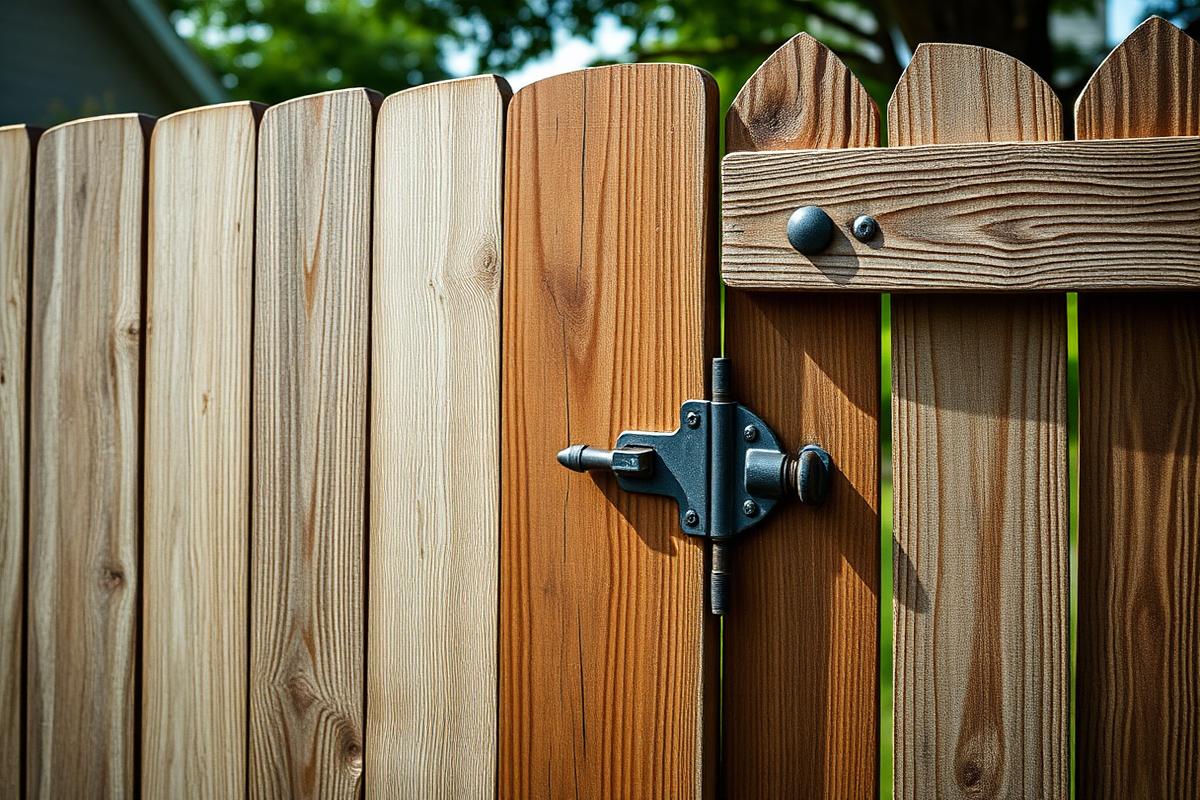
Common reasons homeowners call about gate repair
- Gate won't open. A manual gate binding against a post or the ground, or an automatic gate that has lost power, tripped a safety device, or faulted.
- Gate won't close or latch. Usually alignment: the frame, the hinge post, or the latch post has moved out of position.
- Sagging gate. The latch corner drops, the gate scrapes, and the gap at the top opens up — a racked frame or overloaded hinges.
- Damaged or worn hinges. Stripped screws, bent pins, and hinges undersized for the gate's weight.
- Alignment problems. Uneven gaps, a gate that rubs on one side, or a double gate whose leaves no longer meet in the middle.
- Track issues on sliding gates. Debris, bent or worn track, seized rollers, and a gate that jumps or grinds mid-travel.
- Automatic gate problems. Operator noise, partial travel, remotes or keypads not responding, or safety sensors stopping the gate.
- Storm damage. Wind-bent frames, a gate blown off its hinges, or debris impact after a spring storm.
- Damaged gate posts. Rot at grade, a leaning post, or a footing that has worked loose — the root cause behind much of the list above.
Why gate problems usually start at the post
A gate is the only part of a fence that moves, and all of that movement lands on one post. In North Texas, clay-heavy soils expand when wet and shrink as they dry, so a hinge post can shift enough over a few seasons to change the gap and the latch alignment. Add the leverage of a wide or heavy gate and any weakness at the post shows up first. That is why a good repair visit checks the post and footing before adjusting hardware.
A note on automatic gate systems
Automatic gates combine line-voltage wiring, control boards, and a mechanism that stores energy in springs or hydraulics. Basic checks are reasonable — confirming the opener has power, that the manual release is not left engaged, and that nothing is blocking the gate or a safety eye. Beyond that, diagnosing operators, wiring, and safety devices is qualified work. We do not recommend attempting electrical repairs yourself, and wiring work may be subject to local requirements. See our automatic gates page for how these systems are put together.
Repair or replace the gate?
Repair generally makes sense when the frame is square and sound, the post can be reset or reinforced, and the issue is hardware, alignment, or a single component. Replacement often makes more sense when the frame joints have failed, when the gate has been braced repeatedly, when a wood gate is widely rotted, or when the gate was undersized for the opening from the start. If you are already considering a new drive gate, our driveway gates page covers the options; for problems along the rest of the fence line, see fence repair.
What affects gate repair cost
The main variables are the type of gate, its size and weight, whether the post must be reset or replaced, which hardware is involved, whether an operator or its wiring is part of the problem, and access to the opening. Automatic gate diagnosis adds time before any parts are replaced. Our fence cost guide explains how these variables are usually itemized.
Related fence pages
Frequently Asked Questions
- Why won't my gate close all the way?
- Most often the gate or the post carrying it has moved. Hinge screws work loose, a frame corner drops out of square, or a post shifts as the soil moves through wet and dry cycles. On automatic gates, an obstruction, a misaligned safety sensor, or a limit setting can also stop travel short.
- Can a sagging gate be fixed without rebuilding it?
- Often, yes. Squaring the frame, adding a diagonal brace or a tension cable kit, upgrading hinges, and resetting the hinge post address most sagging. A frame with rotted joints or a badly deteriorated gate post is usually better rebuilt than braced.
- My automatic gate stopped moving — what should I check?
- Safely, only the basics: whether the opener has power, whether the manual release has been left engaged, and whether something is blocking the gate or a safety photo eye. Anything past that involves line voltage, control boards, and stored energy, so it belongs with a qualified gate technician or electrician.
- Is it worth repairing an old gate?
- It depends on the frame and the post. When both are sound, hardware and alignment work is usually straightforward. When the post is failing or the frame is coming apart, repeated repairs tend to cost more over time than a new gate on properly set posts.
Gate Trouble in Dallas?
Tell us what the gate is doing — sagging, stuck, off track, or dead — and get connected with a Dallas-area professional.
(469) 620-7255Serving homeowners throughout Dallas and surrounding Dallas-area communities.