Dallas, TX
Fence Installation in Dallas, TX
Whether you're fencing a yard for the first time or rebuilding a line that has reached the end of its life, the decisions you make about material, height, posts, and gates shape how the fence looks and how long it lasts. Call to discuss your project with a Dallas-area fence professional.
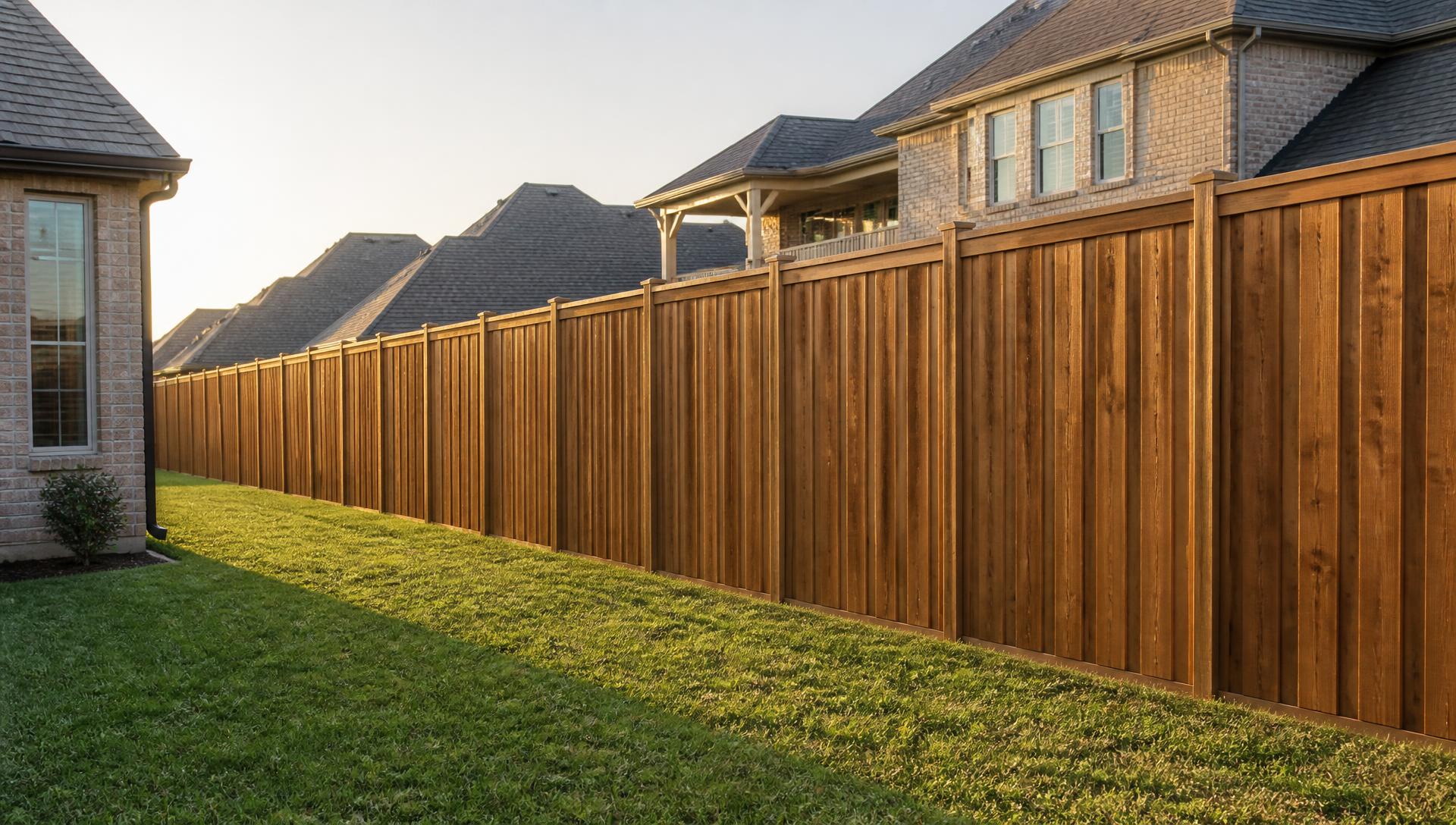
Types of fence installation
Most residential projects fall into a few categories. Full perimeter installation fences a yard that has none, and typically involves the most layout work. Partial or shared-line installation ties into neighboring fences, so panel heights and post positions have to be coordinated. Front yard and decorative installation favors open styles and curb appeal over screening, while pool and pet enclosures prioritize containment and consistent gaps.
Choosing fencing materials
Wood remains the default in most Dallas neighborhoods. Cedar carries a higher material cost than pine but offers better natural resistance to rot and insects, and it weathers to a silver-gray unless it's stained. Pressure-treated pine costs less and works well when properly maintained. Steel posts set in concrete are a common upgrade on wood fences because they don't rot at ground level.
Ornamental steel and aluminum are the practical alternatives when you want to keep views open. They ask far less of you in maintenance, though a quality powder-coated finish matters a great deal for how they age outdoors. See our iron fence page for the differences between true wrought iron and the steel and aluminum products commonly sold as "iron style."
Replacement vs. new installation
Replacing an existing fence adds steps that a brand-new installation doesn't have: removing panels and posts, dealing with old concrete footings, and hauling material off site. It also removes some guesswork, since the line and gate locations already exist. If your current fence is failing, our fence replacement page covers what changes and what can be reused.
Gates deserve extra attention
Gates are the part of a fence that moves, so they wear out first. Wider openings, heavier panel construction, and settling posts all contribute to gates that drag or won't latch. Larger gate posts, diagonal bracing, and quality hinges and latches are worth discussing up front. For driveway openings and automation, see automatic gates.
Property considerations
- Where the property line actually runs, and how the fence relates to it
- Slope and grade changes that require stepped or racked panels
- Drainage paths, low spots, and downspout discharge near the fence line
- Tree roots, utility boxes, AC units, and irrigation lines along the run
- Access for materials and equipment, especially with narrow side yards or alleys
- Neighbor coordination on shared fence lines
Rules that govern fence height, materials, or placement can vary by jurisdiction and by neighborhood association. We don't publish specifics we haven't verified — confirm any requirements with your local authority, your HOA, and the professional doing the work.
What the installation process looks like
After the walkthrough and estimate, a typical sequence is: mark the layout, remove the old fence if there is one, dig and set posts, allow footings to set as needed, frame rails, attach pickets or panels, hang gates and hardware, then clean up the site and haul off debris. Weather can shift the schedule, particularly during wet spring stretches.
Factors that affect cost
Total linear footage and fence height do most of the work in an estimate, followed by material and grade, post type, gate count and size, demolition and haul-away, terrain, and site access. Our Dallas fence cost guide breaks each of these down so an estimate is easier to read.
North Texas climate considerations
Heat and sun fade and dry wood, spring winds push against tall privacy panels, and clay soil that swells and shrinks with moisture can move posts over the years. Those three realities are why local fence conversations tend to focus on post material, post depth, and finish maintenance rather than pickets alone.
Related fence pages
Frequently Asked Questions
- Do I need to be home during fence installation?
- Not usually, but it helps to be available at the start so the layout, gate placement, and property line can be confirmed in person. Access to the yard, gate codes, and pet arrangements should be settled before crews arrive.
- How far apart are fence posts normally set?
- Residential wood fences are commonly built with posts spaced around six to eight feet apart, adjusted so panels land evenly along the run. Windy exposures, taller fences, and heavier gates can call for tighter spacing or larger posts.
- Can a new fence follow the same line as the old one?
- Often yes, and reusing the existing line is the simplest approach. If the old fence drifted off the property line or the layout no longer suits the yard, it's worth discussing before demolition rather than after.
- What should a fence installation estimate include?
- Look for total footage, fence height, material and grade, post type and setting method, the number and size of gates, hardware, removal and haul-away of the old fence, cleanup, and anything site-specific such as slope work or limited access.
Planning a Fence Project in Dallas?
Call to discuss your fence installation, repair, or replacement needs with a Dallas-area fence professional.
(214) XXX-XXXXServing homeowners throughout Dallas and surrounding Dallas-area communities.